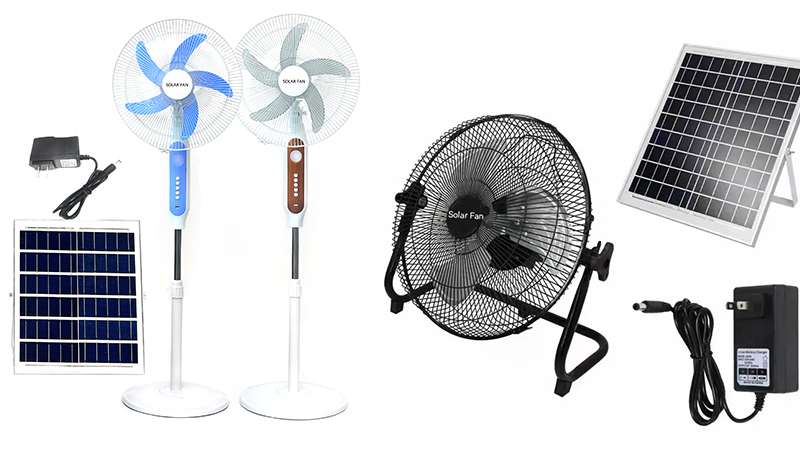
In an era where sustainability is no longer just a buzzword but a necessity, the way we cool our homes, workspaces, and even ourselves is evolving. Enter the solar fan—a simple yet brilliant innovation that marries ventilation with renewable energy. Whether you are an eco-conscious homeowner, a camper, or someone looking to reduce electricity bills, solar fans offer a compelling solution.
What is a Solar Fan?
At its core, a zgsscr solar fan is a mechanical fan powered by solar panels. The solar panels engage the photovoltaic effect to convert sunlight into direct current (DC) electricity. This electricity powers an electric motor, which turns the fan blades.
Unlike traditional fans that rely on grid electricity or disposable batteries, Rechargeable Electric Fan With Solar Panel operate autonomously as long as there is sunlight. Most modern systems also include a battery backup to store excess energy, allowing the fan to run during cloudy days or at night.
The Different Types of Solar Fans
Solar fans are versatile and come in various forms to suit different needs:
1. Solar Attic Fans
These are perhaps the most common and impactful type. Installed on the roof, they ventilate the attic space.
- The Benefit: By pushing out superheated air from the attic, they reduce the heat load on your entire house, making your air conditioning system work less hard and lowering cooling costs. They also prevent moisture buildup in winter, protecting roof structures from mold and rot.
Compact and lightweight, these are designed for personal use.
- The Benefit: Perfect for camping, hiking, or beach trips. They often come with clips or stands and can sometimes double as a power bank to charge your phone.
3. Solar Floor and Pedestal Fans
These look like standard household fans but are connected to a dedicated solar panel (usually placed outside or near a window).
- The Benefit: They provide powerful airflow for living rooms, patios, or workshops without adding a cent to your electricity bill. They are especially popular in off-grid cabins or areas with unreliable power grids.
4. Solar Greenhouse and Industrial Fans
Designed for agriculture and workspaces, these heavy-duty fans ensure proper air circulation to maintain plant health or worker safety.
The Advantages of Switching to Solar
Why should you consider investing in a solar fan?
- Zero Operating Costs: Once installed, the energy comes free from the sun. You are essentially "harvesting" your cooling power.
- Eco-Friendly: By reducing reliance on fossil-fuel-generated grid electricity, you lower your carbon footprint.
- Safety and Quiet Operation: Solar fans typically run on low voltage DC power, which is safer to handle than high-voltage AC power. They are also generally quieter than their AC counterparts.
- Easy Installation: Many portable and floor models require no wiring at all—just plug the panel into the fan. Even attic fans are often easier to install than hardwired electric vents because you don't need to run cables through the walls.
Potential Drawbacks
While the technology is excellent, it is important to be realistic:
- Weather Dependence: The most obvious limitation is reliance on the sun. Without a battery backup system, the fan will slow down or stop when a cloud passes overhead or when the sun sets.
- Initial Cost: The upfront price of a high-quality solar fan is generally higher than a standard electric fan due to the cost of the photovoltaic panel and battery. However, the return on investment (ROI) is realized over time through energy savings.
- Power Limitations: While technology is improving, a small solar fan may not generate the hurricane-force winds of a high-powered industrial AC fan.
Key Features to Look For
If you are in the market for a solar fan, keep these specifications in mind:
- Wattage: Higher wattage generally means more power and faster airflow. For attic fans, look for 20W to 40W; for personal fans, 5W to 10W is common.
- Battery Backup: This is crucial if you want to use the fan at night. Look for "hybrid" models or those with integrated lithium-ion batteries.
- Cable Length: Ensure the cord connecting the solar panel to the fan is long enough so you can place the panel in direct sunlight while keeping the fan in the shade.
- Adjustability: For attic fans, an adjustable thermostat is a great feature (so it doesn't run when it's cold). For floor fans, look for oscillating features and adjustable heights.
Solar fans represent a small but significant step toward a greener lifestyle. They provide comfort and ventilation without the environmental guilt or the monthly cost. As solar technology becomes more efficient and affordable, these devices are transforming from niche gadgets into household staples. Whether you are cooling your attic to save on AC or cooling your tent on a summer adventure, the power of the sun is ready to work for you.

 Mail Us : service@zgsscr.com
 Call Us: +86 18039889808


 Email: service@zgsscr.com
 Tel: +86 18039889808
 Get Our Newsletter!
 IPv6 Network Supported
| Blog | Sitemap
| XML
| Privacy Policy
IPv6 Network Supported
| Blog | Sitemap
| XML
| Privacy Policy
 Get A Quote