banner
Home

Blog

Blog

  • All-in-One Solar Battery Systems: The Complete Guide to Integrated Home Energy Storage
    All-in-One Solar Battery Systems: The Complete Guide to Integrated Home Energy Storage
    Jan 02, 2025
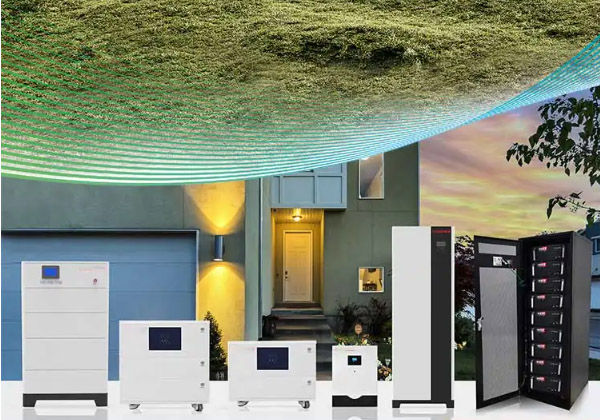
    Rising electricity costs — averaging 8–15% annual increases across Europe, Australia, and North America — have made home solar battery storage one of the fastest-growing investments for homeowners worldwide. But a new dilemma has emerged: should you buy an all-in-one solar battery system (battery + inverter + energy management in a single unit), or build a system from separate components? This guide breaks down the pros, cons, and costs of both approaches — helping you decide which integrated energy storage solution fits your home, budget, and energy goals.     What Is an All-in-One Solar Battery System? An all-in-one (also called "integrated" or "combo") solar battery system combines three core components into a single, pre-configured unit: Battery storage — LiFePO4 battery cells that store solar energy or off-peak grid electricity Hybrid inverter — Converts DC battery power to AC household power, and manages solar input, grid connection, and battery charging all from one device Energy Management System (EMS) — Software that optimizes when to charge, discharge, and draw from the grid based on time-of-use rates, solar generation, and consumption patterns Key benefits of the all-in-one design:- One compact enclosure — takes up less wall space than separate units- Factory-tested compatibility — no risk of mismatched components- Single warranty and support contact- Simplified installation — fewer devices, fewer cables, less configuration- Typically lower total installed cost For homeowners wanting the simplest path to energy savings, an all-in-one solar power system delivers the most straightforward upgrade path from grid-only to solar-ready.   All-in-One vs Component-Based Systems: Comparison All-in-One System- Best for: Most homeowners, first-time solar buyers, space-limited installations- Components: 1 unit (battery + inverter + EMS integrated)- Installation: 1–2 hours by one electrician- Warranty: Single 10-year warranty- Scalability: Stackable — add more battery modules- Matching risk: Zero — factory-integrated- Typical cost (10kW): $4,000–$7,000- Monitoring: Built-in app, one dashboard Separate Components- Best for: DIY enthusiasts, system expanders, custom requirements- Components: 2–3 separate units (battery, inverter, EMS)- Installation: 3–5 hours, may need two specialists- Warranty: Separate warranties per component- Scalability: Highly flexible — replace/upgrade any component- Matching risk: Medium — must verify voltage, communication protocol, and capacity compatibility- Typical cost (10kW): $4,500–$8,000 (higher due to engineering)- Monitoring: May need separate apps or integration setup Verdict: For 80% of homeowners, an all-in-one system delivers the best value — lower cost, simpler installation, and guaranteed compatibility. Separate components only make sense for those with existing equipment they want to retain, or very specific capacity/configuration requirements.   Capacity Sizing: Choosing the Right All-in-One System 5 kW / 5–10 kWh System — Small Homes and Light Backup- Best for: Apartments, 1–2 bedroom homes, daily usage under 15 kWh- What it powers: Refrigerator (8–12 hrs), lights, fans, phones, WiFi- What it won't power: Air conditioning, water heater, heavy appliances- Solar pairing: 3–5 kW solar panels- Ideal for: Urban homes with stable grids, first-time solar buyers 10 kW / 10–15 kWh System — Standard Family Home (Most Popular)- Best for: 3–4 bedroom homes, daily usage 15–30 kWh- What it powers: Refrigerator (15–24 hrs), split AC (5–8 hrs), washing machine, lights, TV, internet- Solar pairing: 5–8 kW solar panels- Ideal for: Families with existing solar, areas with frequent outages- Typical savings: Covers 80% of evening peak demand, cuts bills by 60–70% 15 kW / 15–30 kWh System — Large Home / Near Off-Grid- Best for: 4–6 bedroom homes, daily usage 30–50+ kWh- What it powers: Central AC or 2–3 split ACs, full appliances, pool pump, EV trickle charging- Solar pairing: 8–12 kW solar panels- Ideal for: Off-grid properties, high-consumption households, farms, guest houses Quick sizing rule: Your battery capacity (kWh) should be roughly equal to your daily kWh consumption × 1.3. For example, 20 kWh/day × 1.3 = 26 kWh — a 15 kWh all-in-one with expansion capability. A quality home solar battery system in the 10–15 kWh range covers the vast majority of family homes while keeping costs manageable.   Key Features to Evaluate Battery Chemistry — LiFePO4 Only- Cycle life: 3,000–6,000 cycles (10–15 years)- Safety: Thermal runaway threshold >270°C — safest lithium chemistry- Efficiency: 95–98% round-trip- Look for: Automotive-grade prismatic cells, not cylindrical Inverter Quality- Pure sine wave output (mandatory for sensitive electronics)- Surge capability: 2× rated power for 5–10 seconds- Efficiency: ≥93% at full load- Hybrid capability: Seamless grid-tie, off-grid, and backup modes Energy Management Features- Time-of-use scheduling: Automatically charge during cheap hours, discharge during peak- Solar self-consumption optimization: Prioritize using your own solar power- Backup mode: Automatic switchover in under 20ms during grid failure- App monitoring: Real-time consumption, generation, and battery status Expandability- Can additional battery modules be added?- Maximum supported capacity (10–30 kWh typical)- Parallel connection: Can multiple units be linked? For homes with complex solar setups, pairing an all-in-one system with a quality hybrid inverter ensures seamless integration with existing or future solar arrays.   Installation and Maintenance Installation steps for an all-in-one system:1. Wall mount the unit (requires concrete or brick wall rated for 40–80 kg)2. Connect AC input from the grid and/or solar panels3. Connect AC output to the home's consumer unit4. Configure EMS settings via the mobile app5. Commission and test — typically complete in under 2 hours Key installation requirements:- Clearance: 300 mm above and below for ventilation- Conduit: Proper cable routing for AC and DC lines- Earthing/grounding: Must comply with local electrical code- Certifications: CE, RoHS, UN38.3, IEC 62619 Maintenance:- Minimal — LiFePO4 batteries require no active maintenance- Annual check: Verify ventilation is clear, check cable connections, review app data for anomalies- Firmware updates: Keep BMS and inverter firmware current via the app   Cost Analysis 5 kW / 5–10 kWh:- Equipment: $1,500–$2,500 | Installation: $300–$800- Annual savings: $400–$800 | Payback: 4–6 years 10 kW / 10–15 kWh:- Equipment: $3,000–$5,000 | Installation: $500–$1,200- Annual savings: $800–$1,600 | Payback: 4–7 years 15 kW / 15–30 kWh:- Equipment: $4,500–$7,000 | Installation: $800–$1,500- Annual savings: $1,200–$2,400 | Payback: 5–8 years ROI factors:- Time-of-use arbitrage: Charge at $0.08/kWh off-peak, use instead of $0.30/kWh peak- Solar self-consumption: Use 80%+ of your solar generation vs 30–50% without storage- Backup value: Avoid food spoilage, business interruption, and inconvenience during outages- Battery lifespan: LiFePO4 lasts 10–15 years, outlasting the inverter it's paired with   FAQ Q: What's the difference between an all-in-one system and a separate battery + inverter?A: An all-in-one integrates the battery, inverter, and energy management into a single unit — simpler installation, guaranteed compatibility, and usually lower cost. Separate components allow you to mix and match brands or reuse existing equipment, but require careful compatibility verification. Q: Can I add solar panels later if I buy an all-in-one system now?A: Yes — most all-in-one systems with hybrid inverters are "solar-ready." You simply connect the solar panels to the unit's PV input when you're ready. Q: How long does an all-in-one home battery system last?A: Quality LiFePO4 all-in-one systems deliver 3,000–6,000 charge cycles — equal to 10–15 years of daily use. Most manufacturers offer a 10-year warranty. Q: Is an all-in-one system safe to install indoors?A: Yes. LiFePO4 chemistry is the safest lithium battery technology available, with no thermal runaway risk under normal conditions. Q: What size all-in-one system do I need for a 3-bedroom home?A: For a typical 3-bedroom home with moderate energy use (15–25 kWh/day), a 10 kW / 10–15 kWh all-in-one system paired with 5–7 kW of solar panels is the recommended configuration. Q: Can I take my all-in-one system with me if I move?A: Yes — all-in-one systems can be dismounted and re-installed at a new property. It's a transferable asset that adds value to your home.   Conclusion All-in-one solar battery systems represent the most accessible, cost-effective path to residential energy independence. By integrating battery storage, inversion, and intelligent energy management into a single unit, they eliminate compatibility headaches, reduce installation complexity, and deliver faster payback than separate component systems. For most homeowners — whether you're starting with solar for the first time or upgrading from an existing system — an all-in-one solution in the 10–15 kWh range strikes the optimal balance of cost, capacity, and capability. Glory Zenith's range of all-in-one solar battery systems combines automotive-grade LiFePO4 cells, high-efficiency hybrid inverters, and intelligent EMS in compact, wall-mounted enclosures — certified to CE, RoHS, and IEC 62619 standards for worry-free home energy storage.   Ready to simplify your home energy? 📩 Get a Quote →
    Read More
  • Industrial Portable Power Station Buyer's Guide: How to Choose the Right System for Your Business
    Industrial Portable Power Station Buyer's Guide: How to Choose the Right System for Your Business
    Mar 14, 2025
    In the rapidly growing industrial portable power station market — projected to reach $4.5 billion by 2030 — businesses face a critical question: how do you select the right system for your specific operation? Whether you're equipping a construction crew, setting up emergency response infrastructure, or powering a remote worksite, choosing the wrong power station can mean costly downtime, inadequate capacity, or unnecessary overspending. This buyer's guide walks through six essential steps to help procurement managers, project leads, and business owners make an informed decision.     Step 1: Calculate Your Real Power Requirements The most common mistake in choosing an industrial power station is underestimating load requirements. Follow this method: List all equipment and their running wattages- Power tools (drills, saws, grinders): 500W–2,000W each- Lighting (LED floodlights): 100W–500W- HVAC or ventilation equipment: 1,000W–3,000W- Refrigeration or cooling units: 500W–1,500W- Communication equipment: 100W–300W- Pumps or compressors: 1,000W–4,000W Calculate total running load- Add up the wattage of all devices that will run simultaneously- Add a 20% safety buffer for startup surges- Example: 3 tools × 800W + 500W lighting + 200W comms = 3,100W × 1.2 = 3,720W minimum Determine runtime requirements- Multiply your total load by hours of operation between charges- For construction: typically 6–8 hours per shift- For events: 4–12 hours depending on schedule Choose based on capacity- 3,000W model: Best for loads under 2,500W continuous, 4–6 hour shifts- 5,000W model: Best for loads under 4,000W continuous, 3–5 hour shifts- 6,000W model: Best for loads under 5,000W continuous, 2–4 hour shifts Many businesses find that an industrial portable power station in the 5,000W–6,000W range offers the best balance of capacity and portability for multi-purpose use.   Step 2: Compare Battery Chemistry Options Not all lithium batteries are created equal. For industrial applications, battery chemistry directly impacts safety, lifespan, and total cost of ownership. LiFePO4 (Lithium Iron Phosphate) — RECOMMENDED- Cycle life: 3,000–5,000 cycles (8–12 years)- Thermal runaway threshold: >270°C — extremely safe- Energy density: 90–120 Wh/kg- Operating temperature: -20°C to 60°C- Best for: All industrial applications requiring safety and longevity NMC (Nickel Manganese Cobalt)- Cycle life: 1,000–2,000 cycles (3–5 years)- Thermal runaway threshold: ~210°C — moderate risk- Energy density: 150–220 Wh/kg — higher but less safe- Operating temperature: -10°C to 45°C- Best for: Applications where weight is the primary concern Lead-Acid (Traditional)- Cycle life: 300–500 cycles (1–2 years)- Thermal runaway: Low risk but heavy- Energy density: 30–50 Wh/kg — very low- Operating temperature: 0°C to 40°C- Best for: Budget-constrained applications with low cycle requirements Why LiFePO4 wins for industrial use: Safety is paramount on job sites. LiFePO4's inherently stable chemistry means no thermal runaway, no toxic gas release, and reliable performance across extreme temperatures — critical for construction, mining, and outdoor operations.   Step 3: Evaluate Inverter Quality and Output Options The inverter converts stored DC battery power into usable AC electricity. Its quality determines what equipment your power station can run and how efficiently it runs it. Pure Sine Wave vs Modified Sine Wave- Pure sine wave: Clean power identical to grid electricity — required for sensitive electronics, motors, and medical equipment- Modified sine wave: Lower cost but can cause humming, overheating, or damage in sensitive devices What to look for in an industrial inverter- Surge capacity: Should handle 2× rated power for 5–10 seconds (for motor startup)- Efficiency rating: ≥93% at full load- Output voltage: Support for 110V, 220V, or dual-voltage- Multiple output types: AC outlets, USB-A, USB-C PD, DC terminals Output port checklist for industrial use- 2–4 × AC outlets (NEMA or universal)- 2 × USB-A (5V/2.4A for devices)- 1 × USB-C PD (for laptops and fast charging)- 1 × Anderson or RV port (for vehicle integration)- 1 × AC input (for grid/solar charging)   Step 4: Analyze Total Cost of Ownership (TCO) An industrial power station is a capital investment. Comparing only the upfront price ignores the real economics. Diesel Generator (5,000W class):- Purchase price: $1,500–$3,000- Annual fuel cost (500 hrs/yr): $2,500–$5,000- Annual maintenance cost: $500–$1,000- Lifespan: 5,000–10,000 hrs (~5–8 years)- 10-year TCO: $30,000–$50,000+ Industrial Battery / LiFePO4 (5,000W class):- Purchase price: $3,000–$6,000- Annual fuel cost: $0- Annual maintenance cost: $50–$100- Lifespan: 3,000–5,000 cycles (~8–12 years)- 10-year TCO: $5,000–$10,000 This makes industrial battery storage approximately 70–80% cheaper over a decade of operation — not counting the intangible benefits of silent operation, zero emissions, and indoor-safe usage.   Step 5: Verify Certifications and Safety Standards Industrial equipment must meet rigorous safety and quality standards. These certifications ensure your power station is safe, reliable, and legal to operate: Key certifications to look for:- CE (EU): Mandatory for European markets — confirms compliance with health, safety, and environmental standards- RoHS (EU): Restriction of hazardous substances — ensures no lead, mercury, cadmium, or other toxic materials- UN38.3: Required for lithium battery transport — certifies the battery passes altitude, thermal, vibration, shock, and short-circuit tests- UL 1973 / IEC 62619: Safety standards for stationary and industrial battery systems- IP54+ (Ingress Protection): Dust and water resistance for outdoor/construction use Why this matters: An uncertified power station can void insurance, fail safety inspections, and create liability issues on regulated job sites.   Step 6: Consider Charging Flexibility and Scalability The best industrial power stations support multiple charging methods, giving you operational flexibility: Charging options to prioritize- Grid AC charging: Fastest option — full charge in 3–5 hours- Solar charging (MPPT): Renewable off-grid operation — supports 500W–1,500W solar input- Generator charging: Rapid top-up for extended shifts- Vehicle charging (alternator): Charge while mobile Scalability features- Parallel connection: Can multiple units be linked for higher capacity?- Expansion battery ports: Is the system expandable without replacing the base unit?- Remote monitoring: Does the system support WiFi/app monitoring for fleet management?   Comparison: Choosing Between 3000W, 5000W, and 6000W 3000W Portable Power Station- Best for: Small teams, mobile vendors, light construction- Key specs: 3,000W continuous / 6,000W peak, 2.5–3.5 kWh LiFePO4- Typical runtime: Powers 500W load for 4–6 hours- Weight: 25–35 kg — portable by one person- Best markets: Residential construction, street vending, camping/outdoor 5000W Industrial Power Station- Best for: Medium construction, workshops, emergency backup- Key specs: 5,000W continuous / 10,000W peak, 4–5 kWh LiFePO4- Typical runtime: Powers 1,500W load for 3–4 hours- Weight: 45–60 kg — wheeled cart configuration- Best markets: Building renovation, field hospitals, film production 6000W Industrial Power System- Best for: Heavy industrial, large events, critical infrastructure- Key specs: 6,000W continuous / 12,000W peak, 5–7 kWh LiFePO4- Typical runtime: Powers 3,000W load for 2–3 hours- Weight: 60–80 kg — heavy-duty wheels, towable options- Best markets: Mining, oil & gas, disaster relief, large-scale construction For heavy-duty industrial requirements, a 6000W industrial power system delivers the maximum capacity for mission-critical operations.   FAQ Q: How long do LiFePO4 industrial batteries last?A: Quality LiFePO4 batteries deliver 3,000–5,000 charge cycles, which translates to 8–12 years of daily professional use — significantly longer than NMC (3–5 years) or lead-acid (1–2 years). Q: Can I use an industrial power station indoors?A: Yes. Unlike diesel generators, battery power stations produce zero exhaust fumes and operate below 45 dB, making them safe and practical for indoor construction, warehouses, and enclosed event spaces. Q: What's the payback period vs a diesel generator?A: Most businesses recoup the higher upfront cost within 12–18 months through eliminated fuel costs and reduced maintenance. Over 10 years, battery storage saves 70–80% in total operating costs. Q: How do I charge the station on a remote job site?A: The best industrial units support solar charging via MPPT, generator charging for rapid top-ups, and grid charging when available. Solar is ideal for extended off-grid deployments. Q: Can I connect multiple units together?A: Yes. Glory Zenith's industrial power stations support parallel connection, allowing you to scale up capacity and power output for larger job sites by deploying multiple units. Q: What warranty should I expect?A: Industrial-grade LiFePO4 power stations typically come with 3–5 year warranties. Always check warranty terms before purchase — longer warranties indicate higher-quality battery cells and BMS components.   Conclusion Choosing the right industrial portable power station is a strategic decision that affects your operational efficiency, safety profile, and bottom line. By following this six-step guide — calculating your load, choosing the right battery chemistry, evaluating inverter quality, analyzing TCO, verifying certifications, and considering scalability — you can confidently select a system that meets your business needs today and grows with you tomorrow. Glory Zenith's 3000W, 5000W, and 6000W industrial portable power stations are built with automotive-grade LiFePO4 batteries, pure sine wave inverters, and intelligent BMS technology — delivering reliable, safe, and cost-effective power for the most demanding industrial environments.   Ready to find the perfect power station for your operation? 📩 Get a Quote →
    Read More
  • Wall-Mounted LiFePO4 Home Battery: The Complete Guide to Residential Energy Storage
    Wall-Mounted LiFePO4 Home Battery: The Complete Guide to Residential Energy Storage
    Apr 03, 2025
    As residential electricity prices continue to rise across Europe, Australia, and North America — with annual increases of 8–15% in many markets — homeowners are increasingly turning to home battery storage as a solution. Wall-mounted LiFePO4 home batteries have emerged as the preferred choice for residential energy storage, offering a compact, safe, and cost-effective way to store solar energy and reduce grid dependence. This comprehensive guide covers everything homeowners, installers, and distributors need to know about wall-mounted residential battery systems.     What Is a Wall-Mounted Home Battery? A wall-mounted home battery is a residential energy storage system designed to be installed on a wall, typically in a garage, utility room, or exterior wall. Unlike floor-standing or rack-mounted battery systems used in commercial settings, wall-mounted units are optimized for home use: Key characteristics of wall-mounted home batteries:- Compact footprint — typically 600–900mm wide, weighing 40–80 kg (2–5 kWh per unit)- Slim profile — designed to sit flush against walls, taking minimal floor space- Scalable — multiple units can be stacked or paralleled for higher capacity- Aesthetic design — clean, modern appearance suitable for home environments- Integrated BMS — built-in battery management for safety and longevity For homeowners seeking a wall-mounted LiFePO4 home battery solution, wall-mounted systems offer the best balance of space efficiency and energy capacity.   Why LiFePO4 Is the Standard for Home Energy Storage Lithium Iron Phosphate (LiFePO4) chemistry has become the dominant technology in residential energy storage — and for good reason: Safety first- Thermal runaway threshold above 270°C — significantly higher than NMC (210°C)- No cobalt content — eliminates the risk of thermal runaway from internal short circuits- Non-toxic chemistry — safe for installation in occupied living spaces- No gas venting during normal operation Long service life- 3,000–6,000 charge cycles at 80% depth of discharge (DoD)- Equivalent to 10–15 years of daily cycling- 10-year warranty standard from reputable manufacturers Performance characteristics- Consistent voltage output throughout discharge cycle- High charge/discharge efficiency: 95–98%- Wide operating temperature: -20°C to 60°C- Low self-discharge rate: 2–3% per month   Sizing Your Home Battery: How Much Capacity Do You Need? Choosing the right battery capacity depends on your household's energy consumption and solar generation pattern. 5 kWh System — Small households or backup-only- Best for: Apartments, small homes (1–2 bedrooms), essential backup loads- Typical daily usage: 5–8 kWh- Can power: Refrigerator, lighting, WiFi router, phone charging for 8–12 hours during outage- Solar pairing: Ideal with 3–4 kW solar system 10 kWh System — Standard family home- Best for: Average homes (3–4 bedrooms) with moderate energy use- Typical daily usage: 10–15 kWh- Can power: Full home essentials — fridge, lights, TV, computers, washing machine during outage- Solar pairing: Ideal with 5–7 kW solar system- Peak shaving: Covers 60–80% of evening peak demand 15–20 kWh System — Large homes or high self-sufficiency- Best for: Large homes (5+ bedrooms), high-consumption households, near off-grid operation- Typical daily usage: 20–30 kWh- Can power: Full home operation including HVAC, electric water heating during outages- Solar pairing: Ideal with 8–10 kW solar system- Self-sufficiency: Can achieve 80–90% grid independence with proper solar sizing Sizing formula:Recommended capacity (kWh) = Daily household consumption (kWh) × 1.3 ÷ DoD factor Example: A home using 15 kWh/day with an 80% DoD battery:15 × 1.3 ÷ 0.8 = 24.3 kWh → Choose a 15–20 kWh system with expansion capability   Key Features to Look for in a Wall-Mounted Home Battery Battery Management System (BMS)- Real-time monitoring of cell voltage, temperature, and current- Automatic cell balancing for consistent performance across all cells- Over-voltage, under-voltage, over-current, and over-temperature protection- Communication: CAN bus or RS485 for inverter integration Depth of Discharge (DoD)- Look for ≥90% usable capacity- Higher DoD means more usable energy per cycle- LiFePO4 supports deeper discharge than lead-acid without damage Round-Trip Efficiency (RTE)- Industry standard: ≥95% for quality LiFePO4 systems- Higher RTE means less energy lost during charge/discharge cycles Scalability- Can multiple units be connected in parallel?- Maximum parallel units supported (typically 4–16 units)- Expandable without replacing existing units Warranty and Support- Standard: 10-year warranty for reputable manufacturers- Performance guarantee: ≥70% capacity retention after 10 years- Local technical support and spare parts availability   Installation Considerations Mounting requirements- Wall material: Must support 40–80 kg per unit (concrete or brick wall recommended)- Clearance: Minimum 300mm clearance above and below for ventilation- Environment: Indoor installation preferred (garage, utility room, basement)- Outdoor: IP65-rated units available for exterior wall mounting Electrical requirements- AC coupling: Connects to existing solar inverter (most common retrofit)- DC coupling: Direct connection to hybrid inverter (higher efficiency for new installs)- Single-phase or three-phase: Ensure compatibility with home electrical system Regulatory compliance- CE, RoHS, UN38.3, IEC 62619 certifications- Local electrical code compliance- Grid connection approval (if selling back to grid)   Cost Analysis and ROI 5 kWh system:- Equipment: $1,500–$2,500- Installation: $300–$800- Estimated annual savings: $400–$800- Payback period: 4–6 years 10 kWh system:- Equipment: $3,000–$5,000- Installation: $500–$1,200- Estimated annual savings: $800–$1,600- Payback period: 4–7 years 15 kWh system:- Equipment: $4,500–$7,000- Installation: $800–$1,500- Estimated annual savings: $1,200–$2,400- Payback period: 5–8 years ROI factors to consider:- Time-of-use (TOU) rate arbitrage: Charge when cheap, use when expensive- Solar self-consumption: Use your own solar power instead of selling it cheap and buying back expensive- Feed-in tariff avoidance: Avoid selling excess solar at low rates and buying back at retail rates- Backup value: Avoided losses during power outages (typically 1–3 outages per year in many regions)- Battery lifespan: LiFePO4 lasts 10–15 years, potentially spanning two inverters   Comparison: Wall-Mounted vs Other Home Battery Form Factors Wall-Mounted Battery- Space: Minimal floor footprint, vertical installation- Capacity per unit: 2–5 kWh (stackable)- Best for: Homes with limited floor space, garage or utility room installation- Aesthetics: Designed for home environments, clean appearance Stackable/Floor-Standing Battery- Space: Requires floor space, 0.3–0.6 m² per unit- Capacity per unit: 5–15 kWh per tower- Best for: Homes with dedicated utility space, higher capacity needs- Aesthetics: Industrial appearance, best kept out of sight Rack-Mounted Battery- Space: Requires 19-inch rack cabinet, substantial floor space- Capacity per unit: 3–5 kWh per module, 20–100 kWh per rack- Best for: Commercial applications, very high capacity home systems- Aesthetics: Data-center appearance, utility room only For most residential applications, a wall-mounted LiFePO4 home battery provides the best combination of space efficiency, capacity, and cost.   FAQ Q: How long does a wall-mounted home battery last?A: Quality LiFePO4 batteries deliver 3,000–6,000 cycles — equivalent to 10–15 years of daily use with 80% depth of discharge. Most manufacturers offer a 10-year warranty. Q: Can I install a home battery myself?A: Wall-mounted batteries should be installed by a qualified electrician. They require proper wall mounting, electrical connection, and integration with your existing electrical system. Q: Do I need solar panels to use a home battery?A: No. While home batteries are most cost-effective when paired with solar, they can also be charged from the grid during off-peak hours and used during peak hours to save on time-of-use electricity rates. Q: How much does a home battery save on electricity bills?A: Typical savings range from $400–$2,400 per year depending on system size, local electricity rates, solar generation, and usage patterns. Most systems pay for themselves within 4–8 years. Q: Are home batteries safe?A: Yes. LiFePO4 batteries are the safest lithium battery chemistry available, with no thermal runaway risk, no toxic materials, and built-in BMS protection. They are safe for indoor installation. Q: Can I expand my battery system later?A: Most wall-mounted systems support parallel expansion. You can start with one unit and add more as your needs grow, as long as all units are the same model and voltage.   Conclusion Wall-mounted LiFePO4 home batteries represent the smartest investment in residential energy storage today. Their compact design, exceptional safety profile, long cycle life, and declining costs make them accessible to a growing number of homeowners worldwide. Whether you're looking to reduce your electricity bills, achieve energy independence, or ensure backup power during outages, Glory Zenith's wall-mounted LiFePO4 home battery systems offer reliable, scalable, and certified solutions for homes of all sizes.   Ready to take control of your home energy? 📩 Get a Quote →
    Read More
  • Is the Middle East's power shortage crisis insurmountable?
    Is the Middle East's power shortage crisis insurmountable?
    Mar 13, 2026
      As the Middle East scorches the land under the blazing sun, with temperatures repeatedly exceeding 50°C, power shortages have become a fatal weakness in this energy-rich region. Residents of the capital, Baghdad, receive only about 12 hours of electricity from the national grid each day. Private electricity bills for ordinary households can reach hundreds of dollars in the summer, and southern provinces frequently experience nationwide power outages. Public discontent is boiling, and the Minister of Electricity has been repeatedly forced to resign. Power shortages have become one of the primary pain points for the people's livelihood and development in the Middle East. Faced with multiple challenges including outdated infrastructure, unstable fuel supplies, and severe power loss, ZGSSCR portable power banks, with their full-power matrix ranging from 300W to 5000W, offer portable, efficient, and stable power supply capabilities, providing a practical emergency solution to the Middle East's power shortage problem, allowing every scenario requiring electricity to say goodbye to anxiety and achieve freedom of use.   The power shortage crisis in the Middle East is far more severe than imagined. Despite being rich in oil and gas resources, countries like Iraq suffer from underdeveloped natural gas infrastructure and the wasteful burning of associated gas from oil fields, leading to a long-term reliance on imported natural gas for power generation. Geopolitical instability frequently results in a significant reduction in imported natural gas supply, directly causing a substantial decrease in power generation capacity. In Iraq alone, the actual 300W Portable Power Station generation capacity during the summer peak season falls short of peak demand by 18 gigawatts, a power gap that is difficult to fill. Adding to the problem is the outdated and poorly maintained local power system, with power losses ranging from 30% to 50%. Illegal electricity theft and chaotic billing further exacerbate the power shortage crisis. Whether it's daily household cooling and lighting, business operations, outdoor work, or even emergency rescue and medical services, all are severely hampered by the lack of electricity. Traditional diesel generators are not only noisy and polluting but also limited by fuel supply, failing to meet flexible power supply needs.   With a precise understanding of the core needs in the Middle East's 6000W Industrial Portable Power Station shortage scenarios, zgsscr has launched a full range of portable power banks covering 300W-5000W. From personal emergency power to large equipment power, from home use to commercial scenarios, these power banks comprehensively adapt to the diverse power needs of the Middle East, becoming a "mobile energy fortress" to solve the power shortage dilemma. Unlike the bulky and limited traditional emergency power supply equipment, zgsscr portable power banks focus on "portability, efficiency, stability, and safety," balancing practicality and adaptability, perfectly suited to the high temperatures and outdoor environments of the Middle East.   To address different scenario needs, zgsscr's 3000W portable power station banks offer a tiered solution, precisely matching each power requirement:   The 300W-500W portable models are primarily for personal and home emergency power supply. Compact and lightweight, this power bank can be easily stored in a home storage room, car trunk, or even carried around, perfectly solving the basic power needs of Middle Eastern households during power outages. Whether powering air conditioners and fans to alleviate the scorching 50°C heat, or charging mobile phones, computers, refrigerators, and lighting equipment, it handles the task with ease. No complicated installation is required; one-button power-on provides immediate power. Suitable for homes, small shops, and outdoor camping, it allows ordinary people to maintain basic living order during power outages, eliminating the embarrassment of "ice packs for cooling off" and preserving coolness and convenience in the summer.   The 1000W-2000W power models focus on small and medium-sized commercial and outdoor work scenarios. Small shops, street vendors, and outdoor construction teams in the Middle East often face the problem of unstable power supply. The zgsscr power bank in this power range can stably power small freezers, cash registers, outdoor lighting, construction tools, and other equipment without relying on the power grid, providing on-site power and ensuring normal business operations and smooth work progress. Meanwhile, its high-efficiency battery life can meet long-term power supply needs, and with the optional solar charging mode, even in remote areas, it can eliminate fuel dependence and achieve self-sufficiency in power supply, significantly reducing electricity costs.   The 3000W-5000W high-power version is designed for emergency and centralized power supply of large equipment. Facing the high-power power needs of hospitals, small factories, emergency rescue sites, and large outdoor events in the Middle East, the zgsscr high-power portable power bank can easily power air conditioners, large freezers, medical equipment, and small industrial machinery, with stable peak output and continuous reliable power supply, becoming the "core support" for emergency power supply. When countries like Iraq frequently experience nationwide power outages, portable power banks in this power range can be quickly deployed to provide stable power to hospitals and rescue sites, ensuring the normal operation of medical treatment and emergency rescue work; at the same time, it can also meet the temporary power supply needs of small factories, reducing economic losses caused by power outages.   In addition to the core advantage of full power coverage, the zgsscr portable power bank is more tailored to the usage scenarios in the Middle East, creating a differentiated competitive advantage. Designed to address the high temperatures and dusty environments of the Middle East, this product utilizes high-temperature resistant and dust-proof materials and features a built-in intelligent heat dissipation system. Even in extreme temperatures of 50℃, it operates stably, preventing equipment malfunctions due to overheating. It also incorporates 12 layers of BMS intelligent protection, covering overcharge, over-discharge, short circuit, and over-temperature protection, ensuring safer and more reliable use and eliminating potential electrical hazards. Furthermore, the product supports fast charging for rapid power replenishment and features multiple output interfaces, making it compatible with various devices such as mobile phones, computers, home appliances, and industrial equipment, achieving "one source for multiple uses" and significantly enhancing its practicality.   Given the fact that the Middle East's power shortage is unlikely to be completely resolved in the short term, the ZGSSCR portable power bank (300W-5000W) breaks through the limitations of traditional power supply models with its core advantages of "no reliance on the power grid, portability, high efficiency, stability, and safety," providing a flexible and feasible emergency power solution for people, businesses, and enterprises in the Middle East. From everyday household emergencies to business operation support, from outdoor work power supply to emergency rescue support, zgsscr power banks are effectively filling the power gap in the Middle East, ensuring stable and reliable energy support for every scenario requiring power, and helping the Middle East achieve a more convenient and secure electricity life amidst power shortages.   In the future, zgsscr will continue to focus on the power needs of the Middle East, continuously optimizing product performance and improving its power matrix. With power banks more tailored to local scenarios, zgsscr will inject new momentum into solving the Middle East's power shortage problem, bringing "mobile power" to every corner of the Middle East and safeguarding every hope for electricity.
    Read More
  • The Ultimate Guide to 300W Portable Power Stations: Your Reliable Off-Grid Power Solution
    The Ultimate Guide to 300W Portable Power Stations: Your Reliable Off-Grid Power Solution
    Feb 12, 2026
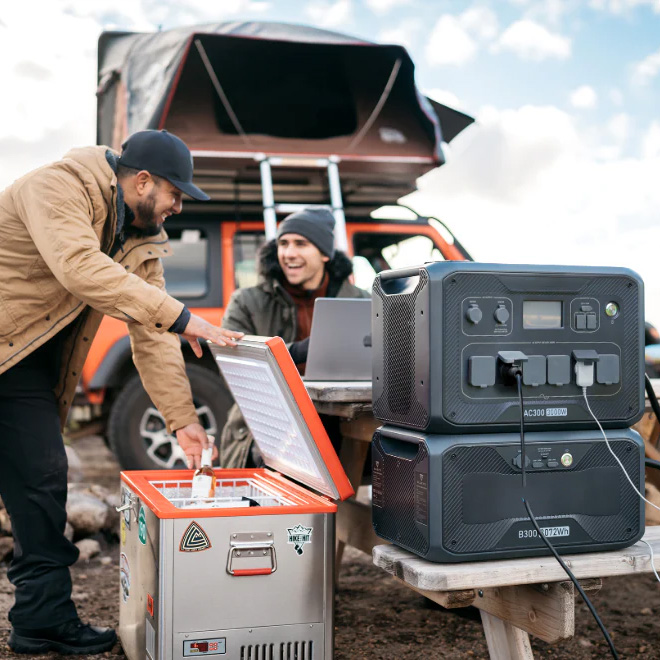
      In a world where we rely increasingly on electronic devices—from smartphones and laptops to outdoor appliances and emergency equipment—a reliable power source is no longer a luxury, but a necessity. Enter the 300W portable power station: a compact, powerful device designed to keep your gear charged and your life running smoothly, whether you’re camping in the wilderness, facing a home power outage, or working remotely in an off-grid location. Unlike small power banks that only charge phones and tablets, 300W portable power stations deliver enough energy to run small appliances, making them a versatile companion for both adventure and emergency scenarios.   At its core, a 300W portable power station is defined by its rated output power: 300 watts of continuous power, with most models offering a surge power of up to 600 watts to handle the initial startup of energy-hungry devices like mini-fridges or fans. Equipped with a lithium-ion or lithium iron phosphate (LiFePO4) battery—typically with a capacity between 288Wh and 296Wh—these power stations balance portability and performance, allowing you to power devices for hours without being tied to a wall outlet. Most models feature a range of output ports to accommodate different devices: AC outlets for small appliances, USB-A and USB-C ports for smartphones and laptops (some with fast charging capabilities), and DC ports for car accessories or outdoor gear like drones and cameras.   One of the greatest strengths of a 300W portable power station is its versatility in use cases. For outdoor enthusiasts, it’s a game-changer: imagine powering a portable fan during a scorching desert camping trip, keeping a mini-cooler stocked with cold drinks, or charging your camera and drone to capture every adventure moment. It’s also ideal for remote work or outdoor events, providing a stable power source for laptops, projectors, and speakers. In emergency situations—such as power outages caused by storms, earthquakes, or floods—these power stations become lifelines, powering essential devices like CPAP machines, emergency lights, and communication tools to keep you connected and safe. Even in urban settings, they’re perfect for powering holiday decorations, home office gear, or small kitchen appliances when you need an extra outlet.   When it comes to recharging, 300W portable power stations offer multiple convenient options to suit different environments. Most can be recharged via a standard wall outlet, with fast-charging models reaching 80% capacity in just 50 minutes. For off-grid use, solar recharging is a popular choice: simply connect a 100W-120W solar panel (with an optimal operating voltage of 13V-24V) to harness the sun’s energy, making it perfect for long camping trips or remote locations without access to electricity. Many models also support car charging, allowing you to top up the battery while on the road, and some even offer USB-C bidirectional charging, letting you use a laptop charger to recharge the power station itself.   Durability and safety are key considerations for any portable power device, and 300W models are built to withstand the elements. Most feature a rugged, compact design—some 15% smaller than similar models—with a handle for easy carrying, making them easy to transport in a backpack or car trunk. LiFePO4 battery models offer an added advantage: they have a longer lifespan (up to 3000 cycles while retaining 80% capacity) and are more stable, reducing the risk of overheating or fire compared to traditional lithium-ion batteries. Safety features like overcharge protection, short-circuit protection, and temperature control are standard, ensuring that both the power station and your devices stay safe during use. It’s important to note, however, that these power stations are not suitable for high-risk equipment like medical devices or nuclear facility tools, as they are not designed to support life-critical systems.   For frequent travelers, it’s worth noting that zgsscr 5000W Industrial Portable Power Station (with 288-296Wh batteries) fall within the airline regulations for carry-on luggage, as they are under the 100Wh limit for lithium-ion batteries . This makes them a convenient travel companion, allowing you to stay charged even on long flights or trips to remote destinations.   In conclusion, the 300W portable power station is a versatile, reliable tool that bridges the gap between small power banks and large generators. It offers enough power to run essential appliances, yet remains compact and portable enough to take anywhere. Whether you’re an outdoor adventurer, a remote worker, or simply someone who wants peace of mind during power outages, a 300W portable power station is an investment in convenience, safety, and connectivity. With multiple charging options, durable design, and a range of output ports, it’s the ultimate solution for all your off-grid power needs.  
    Read More
  • Solar-Powered Fans: Eco-Friendly Cooling Solutions for Every Space
    Solar-Powered Fans: Eco-Friendly Cooling Solutions for Every Space
    Feb 06, 2026
      In an era where energy efficiency and sustainability take center stage, solar-powered fans have emerged as a practical, cost-effective, and environmentally conscious alternative to traditional electric fans. Combining the power of renewable solar energy with reliable cooling performance, these fans are transforming how we stay comfortable—whether at home, outdoors, or in areas with limited access to the grid. Unlike conventional fans that rely on fossil fuel-derived electricity, solar-powered fans harness the sun’s energy to deliver consistent airflow, cutting down on energy bills and carbon footprints without sacrificing functionality.   At their core, zgsscr solar-powered fans operate on a simple yet effective principle. Equipped with high-efficiency solar panels, they capture sunlight and convert it into direct current (DC) electricity, which powers the fan’s motor. Most models also come with a rechargeable battery, allowing them to work even when sunlight is limited—such as on cloudy days or during the evening. This battery storage feature ensures uninterrupted cooling, making solar fans a reliable choice for both off-grid and grid-connected environments. The motors used in these fans are typically brushless, designed for low energy consumption, quiet operation, and long lifespan, further enhancing their practicality and durability.   One of the most compelling advantages of solar-powered fans is their eco-friendliness. By utilizing clean, renewable solar energy, they produce zero greenhouse gas emissions during operation, helping to reduce our carbon footprint and combat climate change. Unlike electric fans that contribute to energy waste and rely on non-renewable resources, solar fans offer a sustainable cooling solution that aligns with global efforts to adopt greener lifestyles. Additionally, they eliminate the need for lengthy power cords, reducing clutter and the risk of electrical hazards, making them safer for use in homes, campsites, and outdoor spaces.   Solar-powered fans are incredibly versatile, fitting a wide range of applications. For homeowners, they are perfect for cooling balconies, patios, garages, or attics—areas where running electric wiring may be inconvenient or costly. They can also be used indoors to supplement air conditioning, reducing reliance on AC units and lowering electricity bills. For outdoor enthusiasts, solar camping fans are a game-changer: lightweight, portable, and self-sustaining, they provide much-needed relief during hot camping trips, hiking expeditions, or beach days without the need for power outlets.   In off-grid communities, rural areas, or regions with frequent power outages, solar-powered fans are more than a convenience—they are a necessity. They provide reliable cooling for homes, schools, and small businesses, improving comfort and quality of life for people without consistent access to electricity. For farmers and agricultural workers, solar fans can be used to ventilate greenhouses, barns, and storage facilities, regulating temperature and humidity to protect crops and livestock. Even in urban settings, businesses can benefit from solar fans by using them to cool outdoor seating areas, warehouses, or construction sites, enhancing employee and customer comfort while demonstrating a commitment to sustainability.   Another key benefit of solar-powered fans is their cost-effectiveness in the long run. While the initial investment may be slightly higher than that of traditional electric fans, they require minimal maintenance and have no ongoing energy costs—sunlight is free, after all. Over time, this translates to significant savings on electricity bills, making them a smart financial choice for both households and businesses. Many models also come with additional features, such as adjustable speed settings, LED lights, and USB charging ports, adding extra value and versatility.   As solar technology continues to advance, 25w Solar Powered Fan are becoming more efficient and affordable. Modern solar panels are smaller, lighter, and more powerful, allowing fans to deliver stronger airflow with less sunlight. Battery technology has also improved, offering longer runtime and faster charging times. This progress has made solar fans more accessible to a wider audience, from eco-conscious homeowners to businesses looking to reduce their environmental impact.   In conclusion, solar-powered fans are more than just a cooling device—they are a symbol of sustainable living, combining practicality, efficiency, and environmental responsibility. Whether you’re looking to reduce your energy bills, minimize your carbon footprint, or stay cool in off-grid areas, these Rechargeable Electric Fan With Solar Panel offer a reliable and versatile solution. With their quiet operation, long lifespan, and wide range of applications, solar-powered fans are poised to become an essential part of our daily lives, helping us embrace a greener, more sustainable future—one cool breeze at a time.  
    Read More
  • The Breeze of Tomorrow: Exploring the World of Solar-Powered Fans
    The Breeze of Tomorrow: Exploring the World of Solar-Powered Fans
    Jan 30, 2026
      In an era increasingly defined by a global imperative for sustainability, solar power has emerged as a beacon of hope, offering clean, renewable energy solutions for a myriad of applications. Among these, the humble fan, traditionally tethered to an electrical outlet, is undergoing a quiet revolution: the rise of the solar-powered fan. Solar-powered fans leverage photovoltaic (PV) technology to convert sunlight directly into electricity, which then powers the fan's motor. This ingenious design eliminates the need for grid electricity or batteries in many instances, offering a truly off-grid and environmentally friendly cooling solution. How Do They Work? The core component of a 25w Solar Powered Fan is its solar panel. These panels, typically made of silicon, absorb photons from sunlight, dislodging electrons and creating an electrical current. This direct current (DC) electricity is then fed to the fan's motor, causing the blades to spin and generate airflow. Some more advanced Solar Panel For Dc Fan incorporate a small battery pack. This allows the Solar Panel Fan Factory to store surplus solar energy for use during cloudy periods or after sunset, extending its operational hours beyond direct sunlight. Advantages of Solar-Powered Fans: Environmental Friendliness: Perhaps the most compelling advantage is their minimal carbon footprint. By harnessing solar energy, these fans reduce reliance on fossil fuels, contributing to cleaner air and a healthier planet. Energy Independence & Cost Savings: Forgoing grid electricity translates to lower utility bills. In remote areas without access to the grid, solar fans provide a vital and independent cooling solution. Portability & Versatility: Many solar fans are designed to be lightweight and portable, making them ideal for camping, picnics, garden sheds, or even as personal cooling devices on a hot day. Reduced Operating Noise: Without the need for a constant AC power source and its associated transformers, many solar fans operate with a remarkably low noise level. Emergency Preparedness: In the event of power outages, solar fans can offer a crucial source of airflow and comfort. Applications and Types: The versatility of solar-powered fans is evident in their diverse applications: Residential Cooling: Small desktop or clip-on solar fans are perfect for personal use, while larger attic fans can help ventilate homes, reducing the load on air conditioning systems. Outdoor & Recreational: Ideal for camping tents, RVs, greenhouses, and patios where traditional power sources are unavailable. Agricultural & Industrial: Used for ventilating animal shelters, small workshops, or drying crops. Automotive: Solar-powered car fans can help extract hot air from parked vehicles, making them more comfortable upon entry. Wearable Technology: Miniature solar fans are even integrated into hats and clothing for personal cooling on the go. Challenges and Considerations: While the benefits are numerous, it's important to consider some limitations: Dependence on Sunlight: The performance of solar fans is directly linked to the availability and intensity of sunlight. Cloudy days or nighttime operation without battery backup will limit their effectiveness. Initial Cost: While operating costs are low, the initial purchase price of some solar fans, especially those with advanced features or larger capacities, can be higher than traditional electric fans. Efficiency and Power: The power output of solar panels varies, impacting the fan's speed and airflow. Larger panels generally provide more power. The Future is Bright (and Breezy): As solar panel technology continues to advance, becoming more efficient and affordable, the capabilities and widespread adoption of solar-powered fans are set to expand exponentially. Innovations in battery storage, motor efficiency, and design are constantly improving their performance and versatility. From providing a gentle breeze on a scorching summer day to contributing to a more sustainable energy landscape, solar-powered fans are more than just cooling devices; they are a tangible symbol of our transition towards a cleaner, more energy-independent future. As we look ahead, the hum of a solar-powered fan may well become the soundtrack to a more eco-conscious world.
    Read More
  • 300W Portable Power Station: The Compact Powerhouse Redefining On-the-Go Energy
    300W Portable Power Station: The Compact Powerhouse Redefining On-the-Go Energy
    Jan 16, 2026
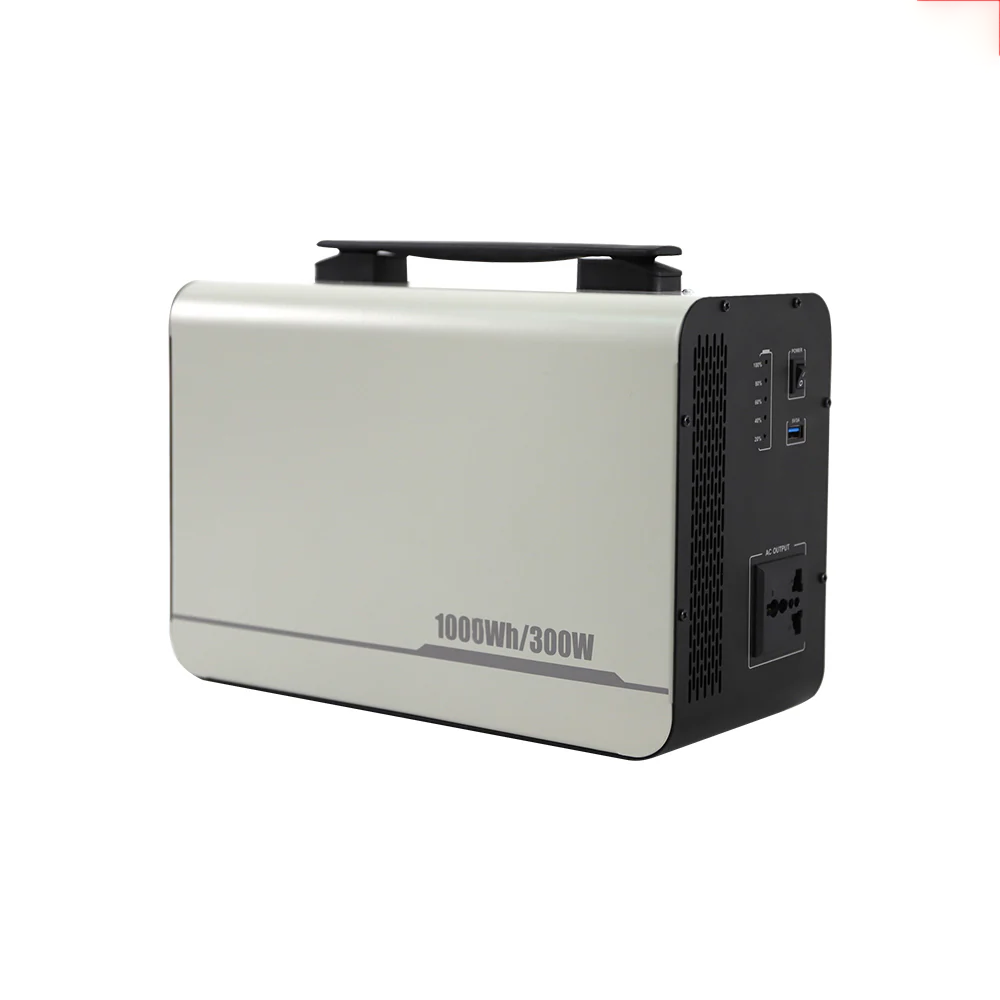
      In an era where connectivity and convenience are non-negotiable—whether camping in the wilderness, working remotely off-grid, or navigating unexpected power outages—having a reliable energy source is no longer a luxury but a necessity. Enter the 300W portable power station: a compact, versatile solution that packs enough power to keep your essential devices running, without the bulk of traditional generators. Designed for both everyday use and emergency scenarios, this portable energy hub has become a must-have for outdoor enthusiasts, digital nomads, and homeowners alike.   What Is a 300W Portable Power Station?   At its core, a 300W portable power station is a rechargeable battery-powered device that converts stored DC energy into usable AC power (and often DC power for smaller devices). The “300W” refers to its continuous output power—enough to run a wide range of low-to-medium power devices, from laptops and smartphones to LED lights, small fans, and even mini refrigerators. Unlike gas-powered generators, these stations operate silently, produce zero emissions, and require minimal maintenance, making them ideal for indoor use, campgrounds, and eco-conscious users.   Most modern 300W models, such as the Glory Zenith 1kWh LiFePO4 power station, are built with advanced lithium-ion battery technology—specifically lithium iron phosphate (LiFePO4) batteries. This chemistry offers superior durability, safety, and longevity compared to traditional lithium-ion batteries, with thousands of charging cycles and resistance to overheating or overcharging. Paired with pure sine wave inverters, these stations deliver clean, stable power that’s safe for sensitive electronics like laptops, Wi-Fi routers, and medical devices—eliminating the risk of damage from voltage fluctuations.   Key Features That Make 300W Portable Power Stations Indispensable   1. Compact Design, Powerful Capacity   Despite their modest size (typically around 300x170x238mm and weighing 9kg or less), 300W power stations boast impressive battery capacities—often 1000Wh (1kWh) or more. This means they can power multiple devices simultaneously for hours: charge a smartphone 50+ times, run an LED TV for 8-10 hours, keep a standing fan operational for 12+ hours, or charge a laptop 10-15 times. Their portability makes them easy to carry in a car trunk, RV, or backpack, while their compact footprint allows for storage in closets or under desks when not in use.   2. Versatile Charging Options   300W portable power stations offer multiple ways to charge devices and replenish their own batteries, ensuring flexibility in any scenario:   AC Outlets: 2-3 AC ports (usually 220V/50Hz or 120V/60Hz) for powering household appliances, tools, or electronics. DC Ports: USB-A, USB-C, and 12V car ports for charging smartphones, tablets, cameras, and other small devices. Solar Compatibility: Many models are solar-ready, supporting 12V-60V solar panels (up to 200W max) with MPPT controllers. This allows off-grid users to harness solar energy for free, eco-friendly charging—perfect for camping, van life, or remote work sites. AC Adapter Charging: Quick recharge via a standard wall outlet (300W max) for convenient top-ups at home or in hotels.   3. Durability and Longevity   LiFePO4 batteries are a game-changer for portable power stations, offering 3000+ charging cycles—equating to 7+ years of daily use. This longevity makes them a cost-effective investment, as they outlast traditional lithium-ion batteries (which typically offer 500-1000 cycles). Additionally, built-in safety features like overcharge, over-discharge, short-circuit, and temperature protection ensure reliable operation in extreme conditions, from hot desert campsites to cold mountain cabins.   4. Silent and Eco-Friendly Operation   Unlike gas generators that roar loudly and emit fumes, 300W portable power stations operate completely silently. This makes them ideal for use in residential areas, campgrounds, or quiet workspaces where noise pollution is a concern. They also produce no carbon emissions, aligning with global efforts to reduce environmental impact—especially when paired with solar panels for a fully renewable energy setup.   Who Benefits Most from a ZGSSCR 300W Portable Power Station?   1. Outdoor Enthusiasts   Campers, hikers, RV travelers, and picnic lovers rely on 300W power stations to keep their adventures comfortable. Power LED camping lights, charge cameras for aerial photography, run portable coolers to keep food fresh, or stream music—all without relying on campground hookups. Solar compatibility adds even more freedom, allowing users to stay off-grid for days.   2. Homeowners and Renters   Unexpected power outages (from storms, grid failures, or load shedding) can disrupt daily life. A 300W power station acts as a reliable backup, keeping essential devices running: Wi-Fi routers for connectivity, LED lights for visibility, medical equipment (like CPAP machines), and small kitchen appliances (like microwaves or coffee makers) for basic needs.   3. Digital Nomads and Remote Workers   For those working from coffee shops, co-working spaces, or remote locations, a 300W power station ensures uninterrupted productivity. Charge laptops, monitors, and Wi-Fi hotspots for hours, eliminating the stress of dead batteries or unavailable outlets. It’s also a handy companion for outdoor workspaces—whether you’re editing photos in a national park or attending virtual meetings at a beach.   4. Emergency Responders and Relief Workers   In disaster zones (earthquakes, hurricanes, floods), traditional power infrastructure is often damaged. 300W portable power stations can be rapidly deployed to emergency shelters, providing critical power for communication devices, medical tools, and lighting. Their lightweight design and silent operation make them easy to transport and use in high-stress environments.   5. B2B Partners: Distributors, Retailers, and Enterprises   For businesses, 300W portable power stations represent a high-demand product with broad market appeal. Trusted by global brands like Midea, Haier, and Alibaba, these stations offer reliable performance, full certifications (CE, RoHS, ISO, BSCI), and flexible bulk ordering (MOQ ≥5) with fast delivery (30 days max). They’re ideal for distributors targeting outdoor gear stores, home improvement retailers, or emergency supply companies—especially as demand for sustainable energy solutions grows.   The Future of 300W Portable Power Stations   As technology advances, 300W portable power stations are becoming more efficient, affordable, and feature-rich. Innovations like IoT connectivity (for remote monitoring of battery life and power usage), faster charging speeds, and even smaller form factors are on the horizon. Additionally, the integration of LiFePO4 batteries and solar compatibility will continue to drive adoption, as consumers and businesses prioritize sustainability and resilience.   Whether you’re an individual seeking freedom from power outlets or a business looking to expand your renewable energy product line, a 300W portable power station offers a practical, reliable solution. It’s not just a device—it’s a way to stay connected, productive, and prepared, no matter where life takes you.     For businesses interested in bulk orders or partnership opportunities, explore trusted manufacturers like Glory Zenith (with 20+ years of new energy expertise) to access high-quality 300W portable power stations designed for global markets.  
    Read More
  • Applications of Industrial Portable Power Banks in Power and Water Outage Scenarios
    Applications of Industrial Portable Power Banks in Power and Water Outage Scenarios
    Dec 26, 2025
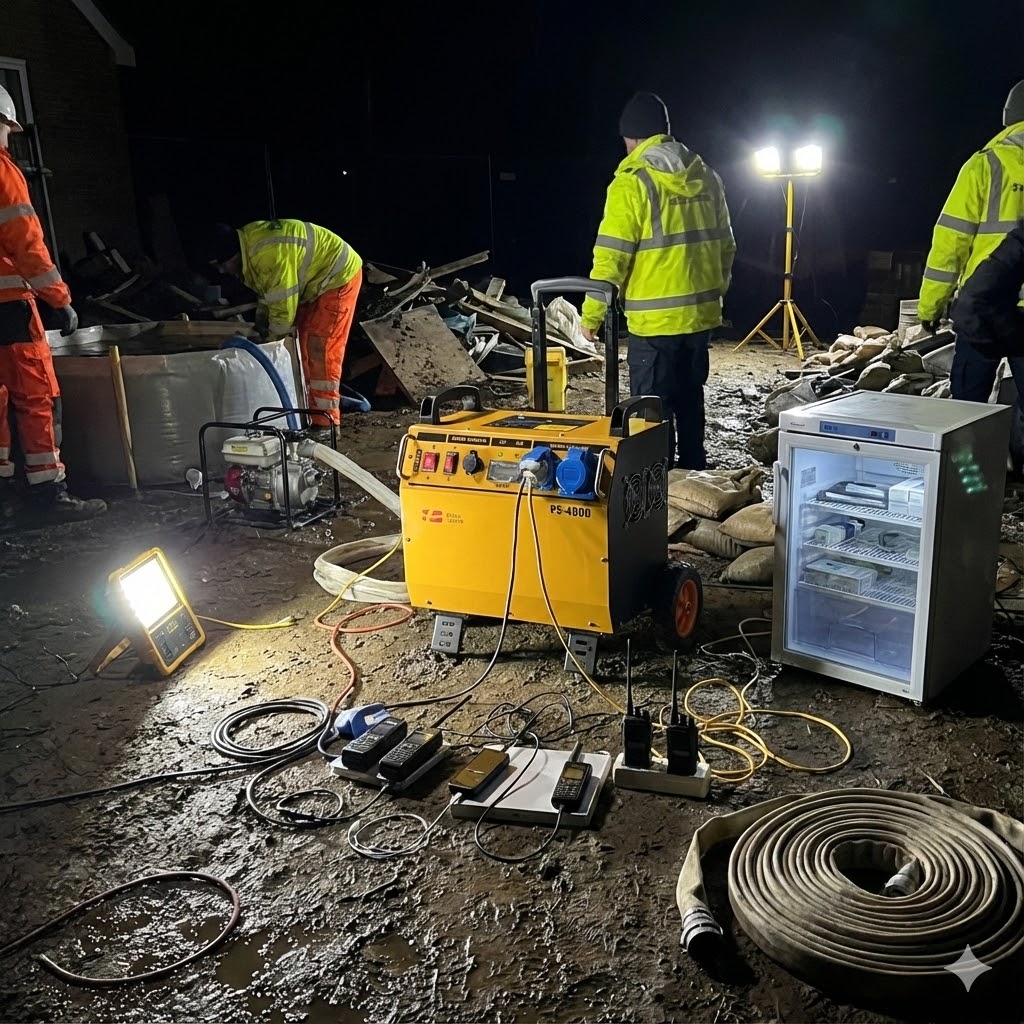
      In today's rapidly developing society, electricity and water resources are crucial infrastructure supporting industrial production and daily life. However, unexpected power and water outages occur frequently, severely impacting industrial production and emergency services. Against this backdrop, the application of industrial portable power banks is particularly important, as they not only provide a stable power supply but also ensure the normal operation of equipment and systems.     I. Definition and Characteristics of Industrial Portable Power Banks Industrial portable power banks are portable power devices specifically designed for industrial applications, typically possessing the following characteristics:   Large Energy Storage: Capable of storing large amounts of electrical energy, suitable for long-term emergency power supply.   High Power Output: Supports the simultaneous operation of multiple industrial devices, including heavy machinery and sensitive equipment.   Convenience: Lightweight design, easy to move and deploy, adaptable to various working environments.   Multiple Output Interfaces: Compatible with various devices, including 220V AC and USB interfaces, meeting the power supply needs of different devices.   II. Applications in Power Outage Scenarios Emergency Power Supply: In the event of a power outage, industrial portable power banks can provide instantaneous power, ensuring the normal operation of production equipment, lighting, and communication systems. This is crucial for maintaining safety and production efficiency, especially in large manufacturing plants and logistics centers.   Equipment Protection: Production equipment, especially precision instruments, is easily affected by power outages. Industrial portable power banks can provide stable power to these devices during power outages, preventing damage caused by sudden power failures.   Data Preservation: In IT and data centers, sudden power outages can lead to data loss or corruption. Using industrial portable power banks ensures continued power supply during outages, protecting critical data and preventing information loss.   III. Applications in Water Outage Scenarios   Water Pump Power Supply: In water outages, water pump systems often require temporary power to maintain water circulation or delivery. In these scenarios, industrial portable power banks can provide the necessary power to water pump equipment, ensuring effective water resource management.   Emergency Water Treatment: For industrial environments requiring real-time water treatment, such as chemical plants and food processing plants, water outages can have serious consequences. Portable power banks can provide power support to water treatment equipment, ensuring the continuity of the treatment process and thus guaranteeing product quality and safety.   Supporting Emergency Response Measures: In water outages, ZGSSCR mobile power banks can also provide power support for emergency measures, including the maintenance of water supply systems and the implementation of temporary water supply solutions, ensuring that people in affected areas have access to the water resources they need.   IV. Case Studies: Many companies have successfully implemented Industrial portable power station to cope with water and power outages. For example, in a chemical plant, an unexpected power outage caused a temporary halt to the production line. The plant quickly deployed industrial mobile power banks to ensure the normal operation of lighting, security monitoring, and key production equipment, successfully avoiding greater economic losses. Simultaneously, the mobile power banks also provided power to water pumps, ensuring the protection and flow of chemical raw materials.   Another example is in a food processing company where, during a water outage, 6000W Industrial Portable Power Station provided necessary power support to water treatment facilities, ensuring uninterrupted water treatment processes and ultimately ensuring production continuity and food safety.   V. Future Outlook: With the development of Industry 4.0 and smart manufacturing, the requirements for power and water resource management will continue to increase. Industrial mobile power banks will become increasingly important in water and power outage scenarios. In the future, with technological advancements, industrial portable power banks will continuously improve in terms of capacity, portability, and intelligent management systems, providing stronger support for emergency management and energy flexibility.   When facing various challenges such as water and power outages, industrial portable power banks offer a reliable solution. They not only maintain the normal operation of equipment and systems but also ensure production safety and data integrity in critical moments. As enterprises increasingly demand efficient emergency management, industrial portable power banks will become indispensable equipment in industrial environments. By effectively utilizing this technology, industries can better respond to emergencies and improve operational efficiency and safety levels.
    Read More
  • Applications of Industrial Portable Power Banks in Emergency Scenarios
    Applications of Industrial Portable Power Banks in Emergency Scenarios
    Dec 19, 2025
      In today's industrial environment, the frequency of emergencies is constantly increasing, such as natural disasters, equipment failures, and power outages. These emergencies require enterprises to have rapid response capabilities to ensure the continuous operation of production lines and the safety of personnel. As a flexible and efficient energy solution, industrial portable power banks are playing an increasingly important role in emergency scenarios. This article will explore the applications of industrial portable power banks in emergency scenarios and their multiple advantages.   I. Providing Reliable Backup Power   In industrial environments, any power outage can lead to significant economic losses and production delays. Industrial portable power banks can quickly provide stable power support when the main power source fails. These portable power banks typically have high capacity and durability, ensuring sufficient power for critical equipment (such as computer systems, monitoring equipment, and production machinery) during prolonged power outages, ensuring the continuous operation of production lines and the secure transmission of information.   II. Power Supply for Emergency Lighting and Safety Facilities   During natural disasters or accidents, the environment often becomes treacherous, making safety lighting and emergency facilities particularly important. Industrial portable power banks can quickly connect to emergency lighting systems and emergency equipment such as fire extinguishers, ventilation systems, and security alarms. This not only improves visibility on-site but also enhances personnel's sense of security, enabling them to react quickly in emergencies and ensure personal safety.   III. Flexible Application Scenarios The flexibility of industrial portable power banks makes them widely applicable to various emergency scenarios. For example, on construction sites, equipment failures may cause workers to stop working; portable power banks can immediately power power tools, lifting platforms, and other equipment, avoiding work delays caused by power outages. During outdoor activities or large events, portable power banks can provide power to audio equipment, lighting, and other electronic devices, ensuring the smooth operation of the event.   IV. Portability and Rapid Deployment Most 6000W Industrial Portable Power Station are designed as portable devices, easy to carry and quickly deployed. Whether on the work site or in an emergency shelter, portable power banks can be used immediately, shortening response time. This convenience not only improves emergency response efficiency but also reduces the burden on workers in emergency situations, allowing them to focus on dealing with unexpected events.   V. Environmental Adaptability Modern industrial portable power banks are often rugged and durable, capable of withstanding harsh environmental conditions such as high and low temperatures and high humidity. This allows them to operate stably in various emergency scenarios, performing as expected in both hot summers and cold winters, further enhancing the reliability of emergency response.   VI. Renewable Energy Integration With the increasing prevalence of renewable energy, many modern Li-ion Battery Power Station are integrating solar cells or other renewable energy technologies. This not only reduces dependence on fossil fuels but also provides environmentally friendly and sustainable energy support for equipment during sustained emergencies. This integration further enhances the flexibility and economy of portable power banks, enabling them to provide stable power during prolonged emergency events.   The application of zgsscr industrial portable power banks in emergency scenarios is crucial, effectively improving enterprises' emergency response capabilities and ensuring safety and continuous operation. By providing reliable backup power, emergency lighting, flexible application scenarios, and portability, these power solutions play an indispensable role in modern industrial environments. With technological advancements and the integration of renewable energy, the application of industrial portable power banks will become more widespread and valuable, providing strong support for enterprises' survival and development during crises.
    Read More
  • Harnessing the Sun: A Comprehensive Guide to Solar Fans
    Harnessing the Sun: A Comprehensive Guide to Solar Fans
    Dec 12, 2025
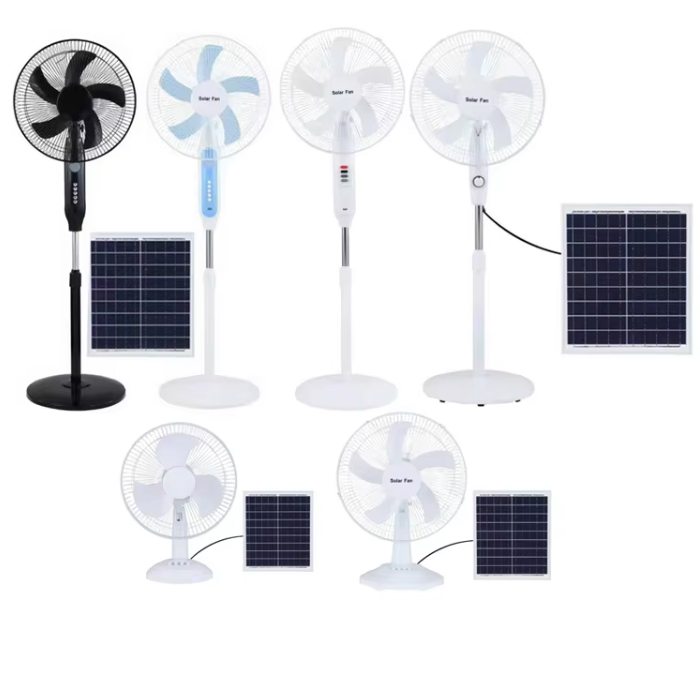
    In an era where sustainability is no longer just a buzzword but a necessity, the way we cool our homes, workspaces, and even ourselves is evolving. Enter the solar fan—a simple yet brilliant innovation that marries ventilation with renewable energy. Whether you are an eco-conscious homeowner, a camper, or someone looking to reduce electricity bills, solar fans offer a compelling solution. What is a Solar Fan? At its core, a zgsscr solar fan is a mechanical fan powered by solar panels. The solar panels engage the photovoltaic effect to convert sunlight into direct current (DC) electricity. This electricity powers an electric motor, which turns the fan blades. Unlike traditional fans that rely on grid electricity or disposable batteries, Rechargeable Electric Fan With Solar Panel operate autonomously as long as there is sunlight. Most modern systems also include a battery backup to store excess energy, allowing the fan to run during cloudy days or at night. The Different Types of Solar Fans Solar fans are versatile and come in various forms to suit different needs: 1. Solar Attic Fans These are perhaps the most common and impactful type. Installed on the roof, they ventilate the attic space. The Benefit: By pushing out superheated air from the attic, they reduce the heat load on your entire house, making your air conditioning system work less hard and lowering cooling costs. They also prevent moisture buildup in winter, protecting roof structures from mold and rot. 2. 25w Solar Powered Fan Compact and lightweight, these are designed for personal use. The Benefit: Perfect for camping, hiking, or beach trips. They often come with clips or stands and can sometimes double as a power bank to charge your phone. 3. Solar Floor and Pedestal Fans These look like standard household fans but are connected to a dedicated solar panel (usually placed outside or near a window). The Benefit: They provide powerful airflow for living rooms, patios, or workshops without adding a cent to your electricity bill. They are especially popular in off-grid cabins or areas with unreliable power grids. 4. Solar Greenhouse and Industrial Fans Designed for agriculture and workspaces, these heavy-duty fans ensure proper air circulation to maintain plant health or worker safety. The Advantages of Switching to Solar Why should you consider investing in a solar fan? Zero Operating Costs: Once installed, the energy comes free from the sun. You are essentially "harvesting" your cooling power. Eco-Friendly: By reducing reliance on fossil-fuel-generated grid electricity, you lower your carbon footprint. Safety and Quiet Operation: Solar fans typically run on low voltage DC power, which is safer to handle than high-voltage AC power. They are also generally quieter than their AC counterparts. Easy Installation: Many portable and floor models require no wiring at all—just plug the panel into the fan. Even attic fans are often easier to install than hardwired electric vents because you don't need to run cables through the walls. Potential Drawbacks While the technology is excellent, it is important to be realistic: Weather Dependence: The most obvious limitation is reliance on the sun. Without a battery backup system, the fan will slow down or stop when a cloud passes overhead or when the sun sets. Initial Cost: The upfront price of a high-quality solar fan is generally higher than a standard electric fan due to the cost of the photovoltaic panel and battery. However, the return on investment (ROI) is realized over time through energy savings. Power Limitations: While technology is improving, a small solar fan may not generate the hurricane-force winds of a high-powered industrial AC fan. Key Features to Look For If you are in the market for a solar fan, keep these specifications in mind: Wattage: Higher wattage generally means more power and faster airflow. For attic fans, look for 20W to 40W; for personal fans, 5W to 10W is common. Battery Backup: This is crucial if you want to use the fan at night. Look for "hybrid" models or those with integrated lithium-ion batteries. Cable Length: Ensure the cord connecting the solar panel to the fan is long enough so you can place the panel in direct sunlight while keeping the fan in the shade. Adjustability: For attic fans, an adjustable thermostat is a great feature (so it doesn't run when it's cold). For floor fans, look for oscillating features and adjustable heights. Solar fans represent a small but significant step toward a greener lifestyle. They provide comfort and ventilation without the environmental guilt or the monthly cost. As solar technology becomes more efficient and affordable, these devices are transforming from niche gadgets into household staples. Whether you are cooling your attic to save on AC or cooling your tent on a summer adventure, the power of the sun is ready to work for you.
    Read More
  • 5000W Portable Power Station: Your All‑Round Energy Partner for Emergencies, Outdoors, and More
    5000W Portable Power Station: Your All‑Round Energy Partner for Emergencies, Outdoors, and More
    Dec 05, 2025
      ZGSSCR 5000W portable power station is a high-capacity energy hub designed to replace or supplement traditional generators. It can power a range of devices—from essentials like lights and refrigerators to power tools and small appliances—without the noise, fumes, or maintenance of a petrol generator. In this article, we’ll cover what a 5000W portable power station is, typical use cases, key buying considerations, and a practical checklist to help you choose the right model. What is a 5000W portable power station? Definition and positioning “5000W” refers to the rated output power. In practice, these units can continuously deliver around 5000 watts of AC output (typically 120V or 230V, depending on region) and handle short-term peaks above that as the inverter allows. Despite being more compact than a traditional generator, a 5000W portable power station is still a portable energy center. It combines a high-capacity battery, an inverter, battery management, and multiple output ports (AC, DC, USB-C/USB-A, fast-charging ports, etc.). Core components Large battery pack (lithium-based chemistries such as NMC/LFP, with total usable capacity ranging from tens to hundreds of kilowatt-hours in some setups, though consumer units are typically in the tens of kilowatt-hours) Efficient inverter with protections (short-circuit, overcurrent, overtemperature) Multiple charging pathways (solar, AC wall outlet, vehicle charging) with smart energy management Display/interface for real-time data (state of charge, output, temperature, runtime) Typical use cases for a 5000W portable power station Home emergency backup During outages, power essentials: lighting, fridge, router, some medical devices, a few small appliances, with prioritized loads. Outdoor activities and camping RVs, campsites, temporary workstations, or events that require moderate to high power for cooking, heating, or cooling devices. Small construction and field work Power tools and equipment where a dedicated generator would be noisy or impractical. Vehicle and emergency response In-vehicle power supply for charging and running equipment on the go; quick response energy for remote sites. Key buying considerations Power and peak handling Ensure continuous portable power station manufacturers capability and a comfortable peak/ surge rating to handle startup currents of devices like air conditioners, pumps, or grinders. Battery capacity and chemistry Look for higher energy capacity for longer runtimes. Consider cycle life, weight, and safety features of the battery chemistry (LFP is known for longevity and stability). Output interface diversity A good mix of AC outlets (NEMA/IEC) plus DC, USB-C PD, and USB-A ports. Consider availability of an EV charging-style port if you plan expansion. Charging speed and options Solar compatibility with reasonable MPPT control, plus fast AC charging and vehicle charging. Check for pass-through charging (using a unit while it’s still charging) if you need uptime continuity. Safety features Short-circuit protection, overcharge/over-discharge protection, temperature monitoring, fan noise considerations, and battery management system (BMS) resilience. Portability and build Handle design, wheels, weight, and ruggedness for your intended environments. Smart features App integration, firmware update capability, and load management to optimize efficiency. Quick buying checklist Determine primary use cases and expected loads (sum of wattages, surge) Target runtime for typical critical loads (e.g., 4–8 hours) Check battery chemistry and cycle life Verify available ports and cable/connectors Evaluate charging methods and solar compatibility Review safety certifications and warranty Consider total cost of ownership, including solar panels if needed ConclusionA 5000W portable power station can be a versatile, quieter, and cleaner alternative to fuel-based generators, especially for households seeking robust backup power or outdoor enthusiasts who need reliable high-power service. By focusing on real-world loads, charging options, and build quality, you can choose a model that meets your needs today and scales for the future. If you’d like, I can tailor this into a formal blog post, a product comparison guide, or a concise social-media-friendly version.
    Read More
1 2 3 4 5

leave a message

leave a message
If you are interested in our products and want to know more details,please leave a message here,we will reply you as soon as we can.
Submit
Contact Us:service@zgsscr.com

Home

Products

whatsApp

contact